Metal Catalyst Substrate
FeCrAl Metal Honeycomb Cores Built for Your Converter Design
Custom metallic catalyst substrates for emission-control systems that require thin walls, low flow restriction, fast thermal response and dependable performance under vibration. Available as bare cores, coated substrates or complete converter assemblies.
100–900 CPSI Options
1 / 2 / 3-Core Layouts
Custom Diameter and Length
Uncoated or Coated
15,000 m²
Manufacturing base
100–900 CPSI
Common cell-density options
Bare or Coated
Flexible project scope
ISO 9001
Quality management system
Metal Catalyst Substrate
A Thin-Wall Catalyst Carrier for Demanding Exhaust Environments
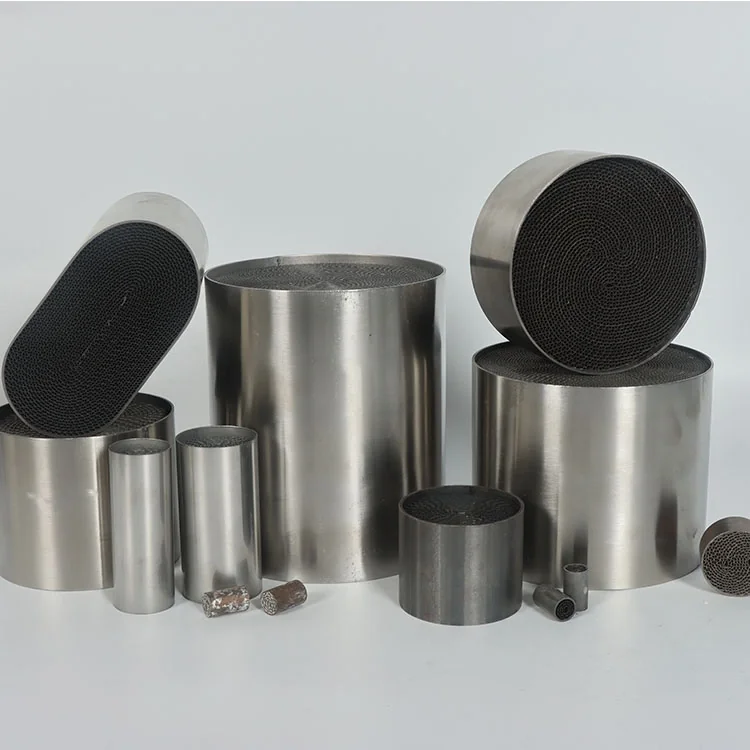
Alternating flat and corrugated FeCrAl foils are wound into a honeycomb core and secured inside a metal shell. The structure provides catalyst coating area while allowing exhaust gas to pass through controlled channels.
Low Flow Restriction
Thin metallic walls help maintain an open frontal area within compact converter dimensions.
Rapid Thermal Response
High thermal conductivity supports faster heat transfer in suitable close-coupled designs.
Vibration Resistance
The ductile metallic structure is suitable for motorcycles, off-road equipment and other vibration-intensive applications.
Project-Based Customization
Diameter, length, CPSI, core layout and coating scope are reviewed against the converter drawing.
Supply Configurations
Choose the Scope That Matches Your Project
We can support the metal substrate alone or continue through coating and converter assembly.
Single-Core Substrate
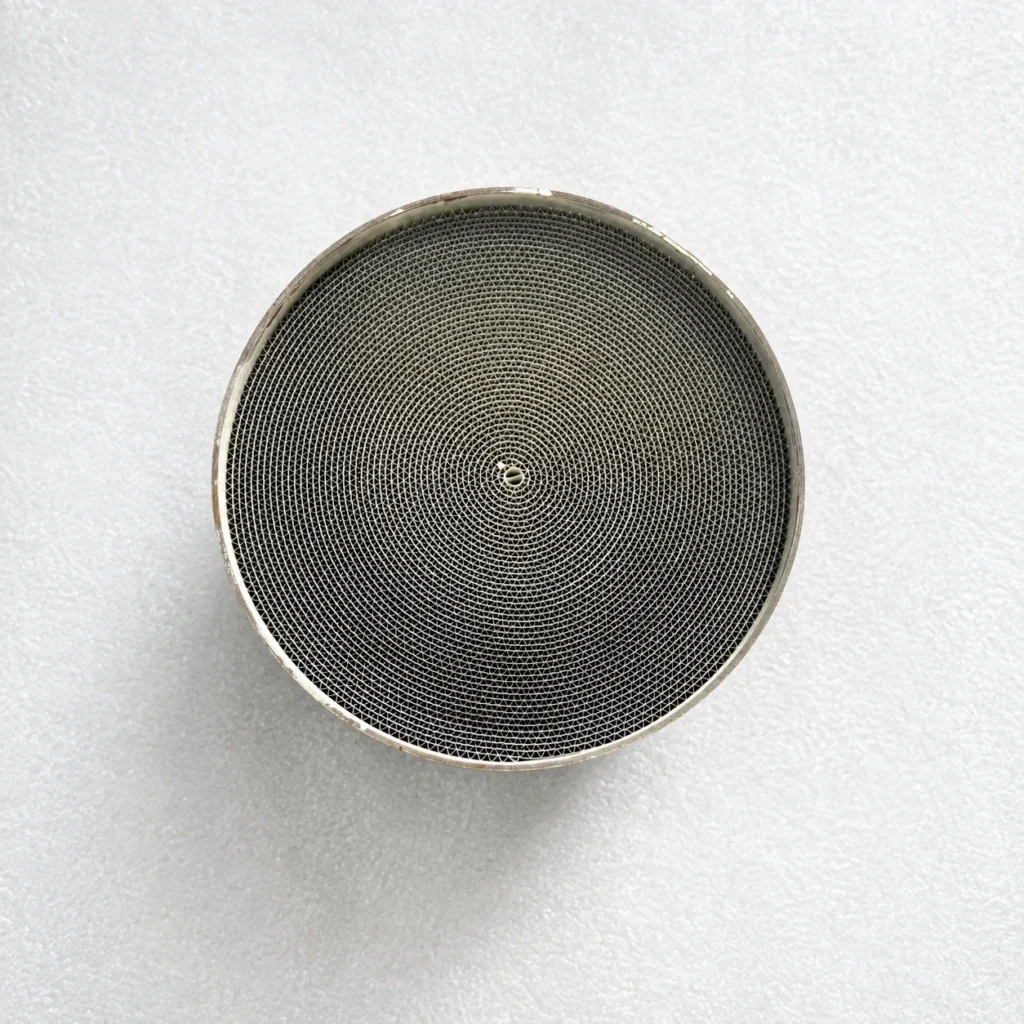
Compact round core for applications with limited installation space and defined flow requirements.
Bare or Coated
Multi-Core Configuration
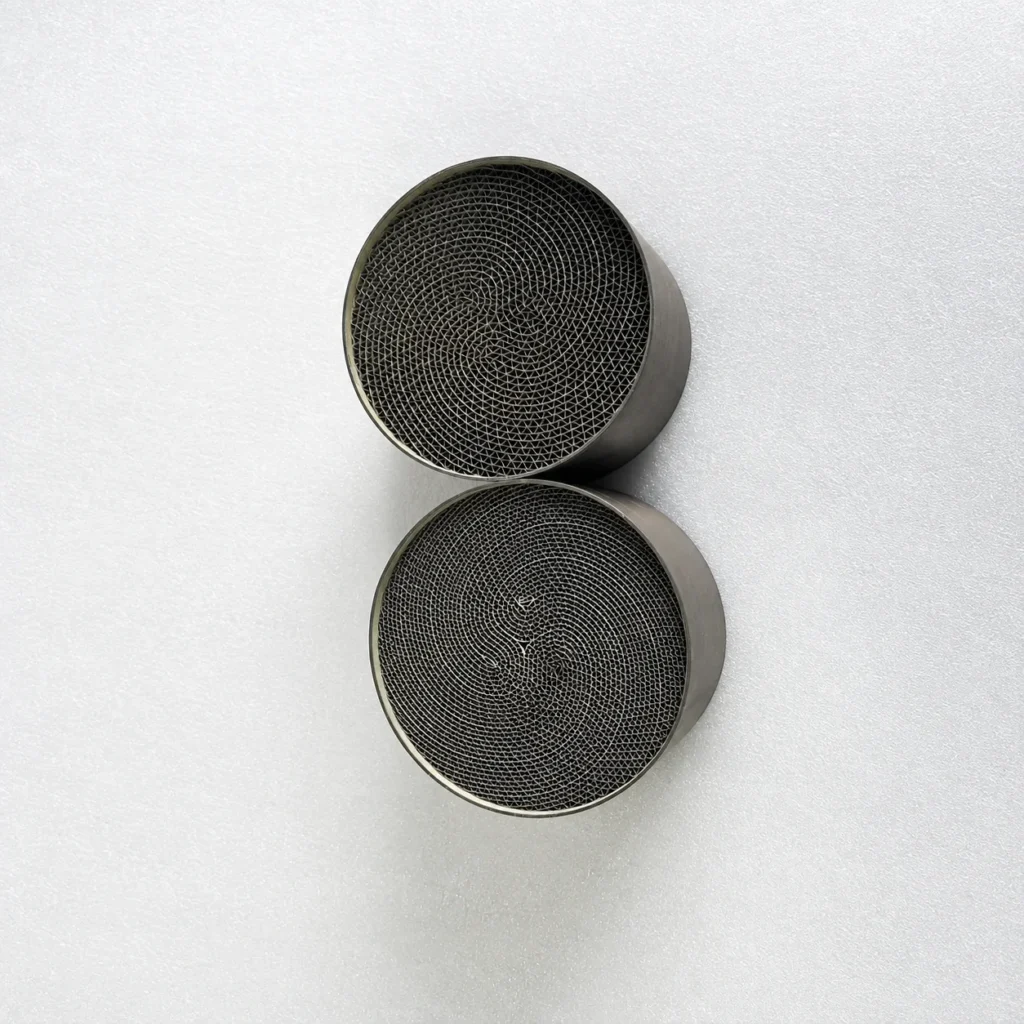
Two-core or three-core layouts for projects requiring additional catalyst volume within a controlled package.
2-Core / 3-Core
Coated Metal Substrate
Substrate preparation and catalyst washcoat can be included for suitable TWC, DOC or SCR projects.
Coating Available
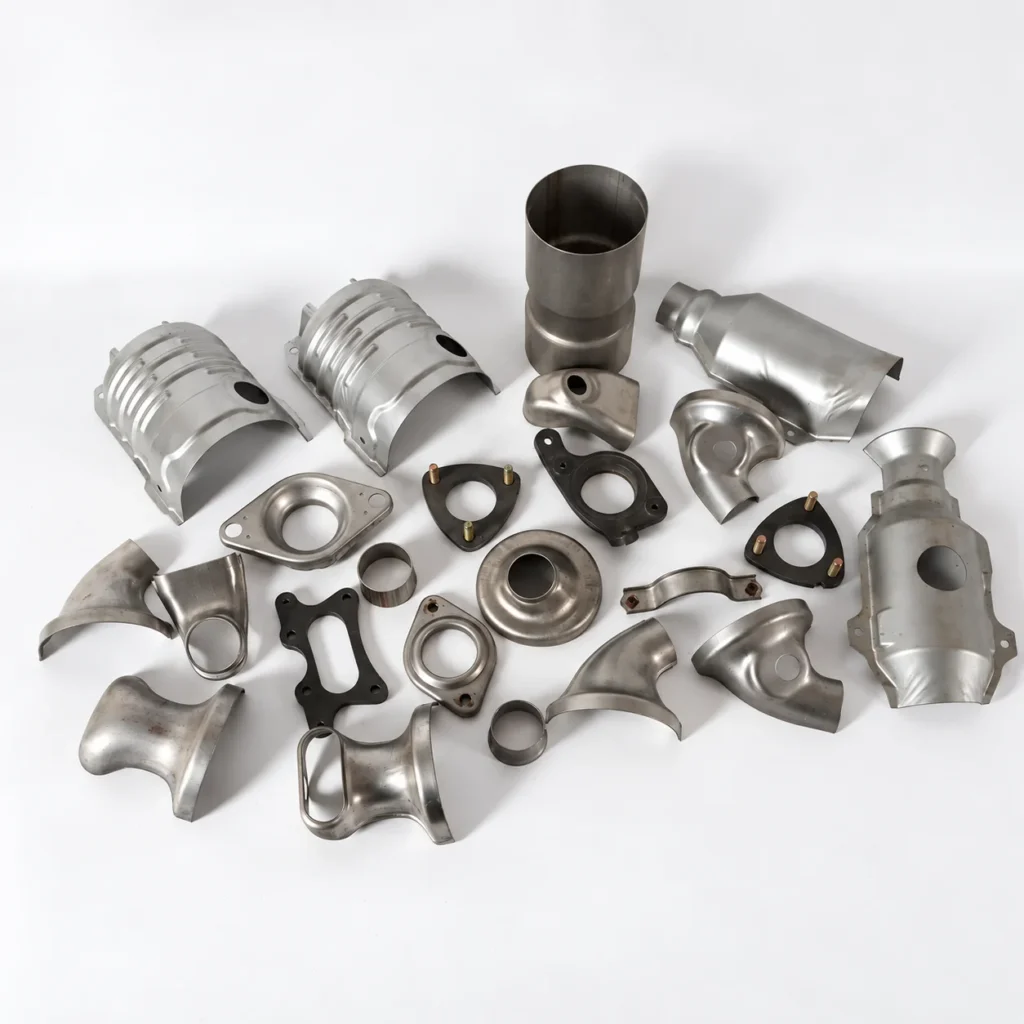
Complete Converter Assembly
Integrated support when the substrate, coating, shell and converter structure need to be developed together.
Complete Project
Common Project
Options
Final dimensions, tolerances and material selections are confirmed after reviewing the drawing, duty cycle and expected volume.
| Core Material | FeCrAl alloy foil |
|---|---|
| Outer Shell | Stainless steel; grade selected according to the project |
| Cell Density | Common options from 100 to 900 CPSI |
| Foil Thickness | Common project range approximately 0.03–0.05 mm |
| Core Layout | Single-core, two-core or three-core configuration |
| Diameter and Length | Customized according to converter dimensions and available tooling |
| Shape | Round is standard; non-round designs require feasibility and tooling review |
| Coating Scope | Uncoated substrate, coated substrate or complete converter assembly |
| Typical Catalyst Projects | TWC, DOC and SCR, subject to application review |
| Temperature Suitability | Confirmed according to alloy grade, coating, exhaust chemistry, thermal cycling and installation position |
Why Engineers Select Metallic Honeycomb Cores
The right substrate depends on the whole exhaust system. Metal becomes especially valuable where packaging, vibration and thermal response matter.
Thin Channel Walls
Thin FeCrAl foil helps preserve open frontal area and supports compact converter packaging.
Fast Heat Transfer
The metallic core transfers heat rapidly, supporting faster catalyst activation in an appropriately designed system.
Mechanical Durability
The ductile structure offers an advantage where vibration and mechanical shock may challenge brittle ceramic carriers.
Flexible Cell Density
Multiple CPSI options help balance catalyst surface area, flow restriction and packaging requirements.
Multi-Core Design
Two-core and three-core layouts can increase total catalyst volume without relying only on a larger diameter.
Integrated Coating Support
The project can continue from bare substrate selection to surface preparation, washcoat and converter assembly.
Supply Configurations
Designed for Compact, High-Vibration and Fast-Response Systems
Final selection should always be based on real exhaust flow, temperature, packaging and durability targets.
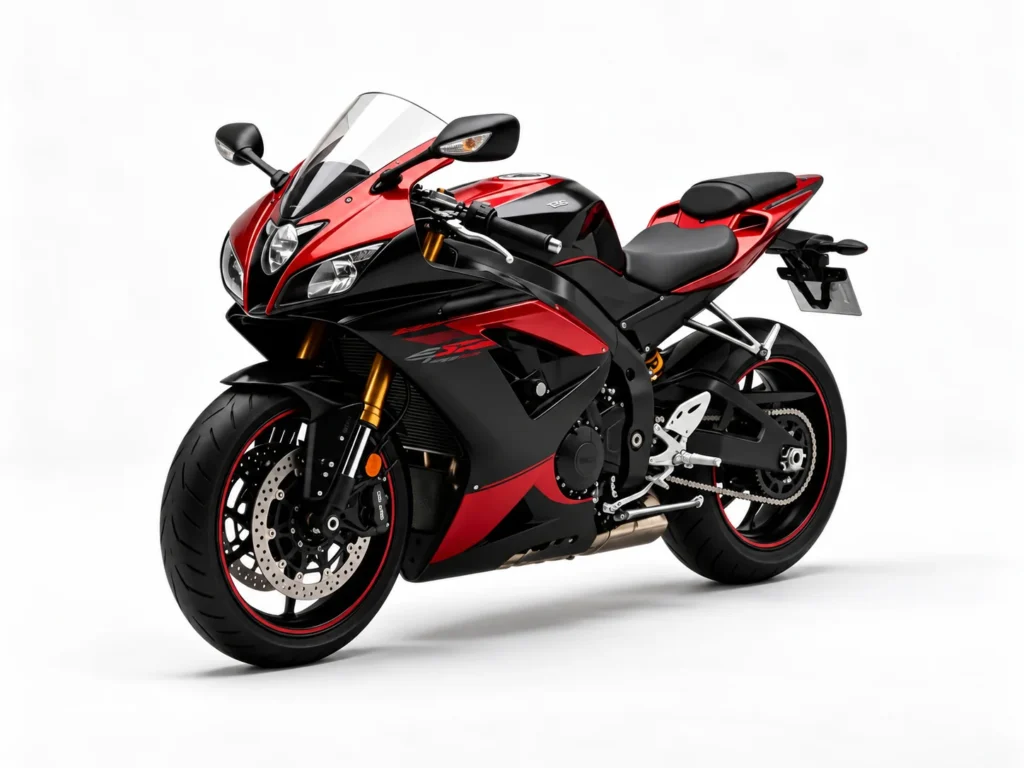
Motorcycle Exhaust
Compact packaging, rapid heat-up and resistance to road and engine vibration.

Close-Coupled Automotive
Suitable where the converter is positioned close to the engine and thermal response is critical.
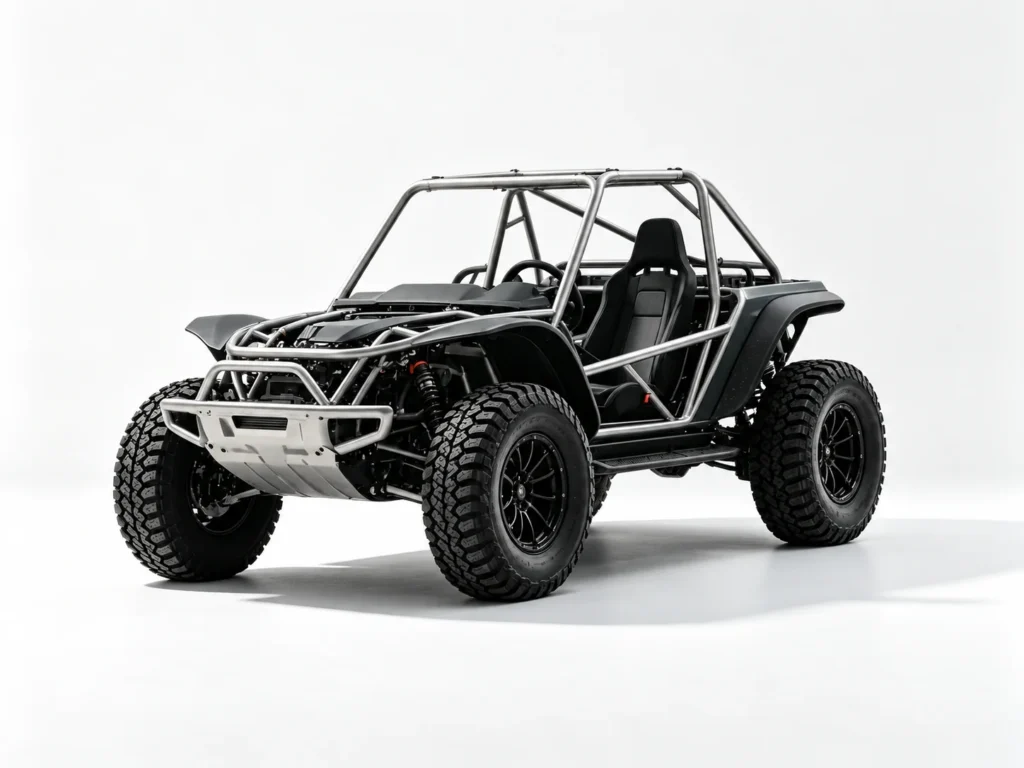
Off-Road Equipment
Metallic construction supports applications exposed to frequent vibration and mechanical shock.
Generator & Industrial
Custom substrate and coating projects based on flow, temperature and contaminant conditions.
Metal Substrate vs. Ceramic Substrate
Neither material is universally better. The correct choice depends on installation position, durability targets, coating system, shape and cost.
| Selection Factor | Metal Substrate | Ceramic Substrate |
|---|---|---|
| Wall Structure |
Metal Advantage
Very thin foil walls and high open frontal area. |
Extruded ceramic channel walls with proven automotive use. |
| Thermal Response |
Metal Advantage
Higher thermal conductivity and rapid heat transfer. |
Lower thermal conductivity and slower heat distribution. |
| Vibration & Impact |
Metal Advantage
Ductile structure is well suited to demanding vibration conditions. |
Brittle material requires appropriate mounting and protection. |
| Thermal Expansion | Higher expansion must be considered in converter design. | Low thermal expansion is a major cordierite advantage. |
| Washcoat Adhesion | Requires suitable surface preparation and coating control. | Porous ceramic surface naturally supports washcoat anchoring. |
| Shape Flexibility | Round wound cores are the most common format. | Extrusion can support a wider range of standard non-round shapes. |
| Typical Selection Driver | Compact package, low restriction, rapid thermal response and high vibration. | Cost, low expansion, established validation and shape flexibility. |
Manufacturing & Quality
Factory Support Beyond a Catalogue Product
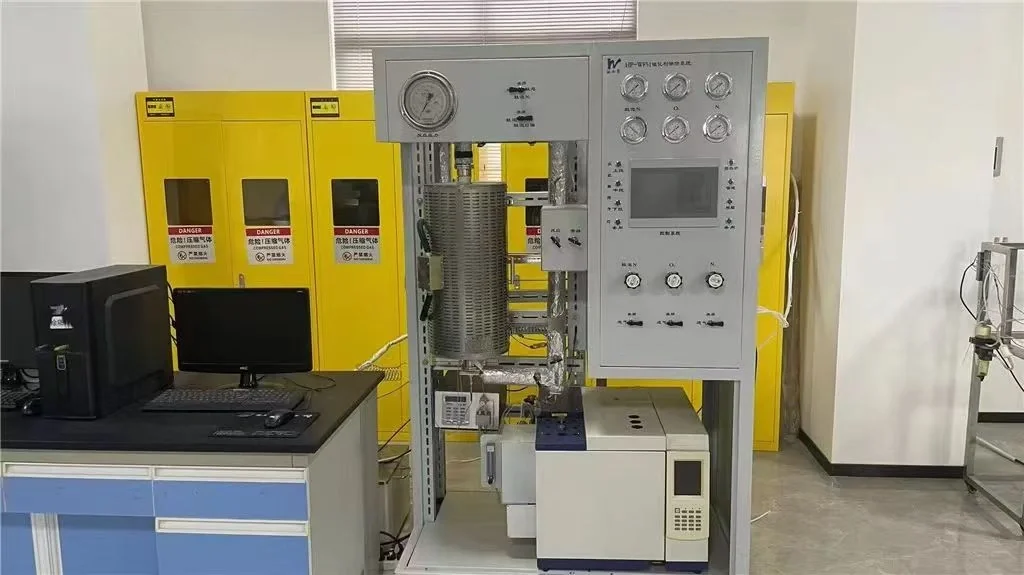
YIFENG CAT supports substrate selection, catalyst coating and converter projects from a 15,000 m² manufacturing base. Inspection requirements are defined around the approved project specification.
Foil Material
Material and thickness review
Cell Pattern
Corrugation and CPSI checks
Core Dimensions
Diameter, length and tolerance
Assembly Integrity
Core and shell condition
Coating Control
Applied when coating is included
Batch Consistency
Repeat-order specification control
From Drawing Review to Repeat Production
Requirement Review
We review dimensions, CPSI, application, temperature, coating scope and expected quantity.
Technical Confirmation
Core layout, material, tooling feasibility and inspection requirements are aligned.
Sample Validation
Trial units are produced according to the agreed drawing and project specification.
Volume Production
Approved requirements are retained for batch consistency and repeat-order control.
Related Capabilities
Complete the Emission-Control System
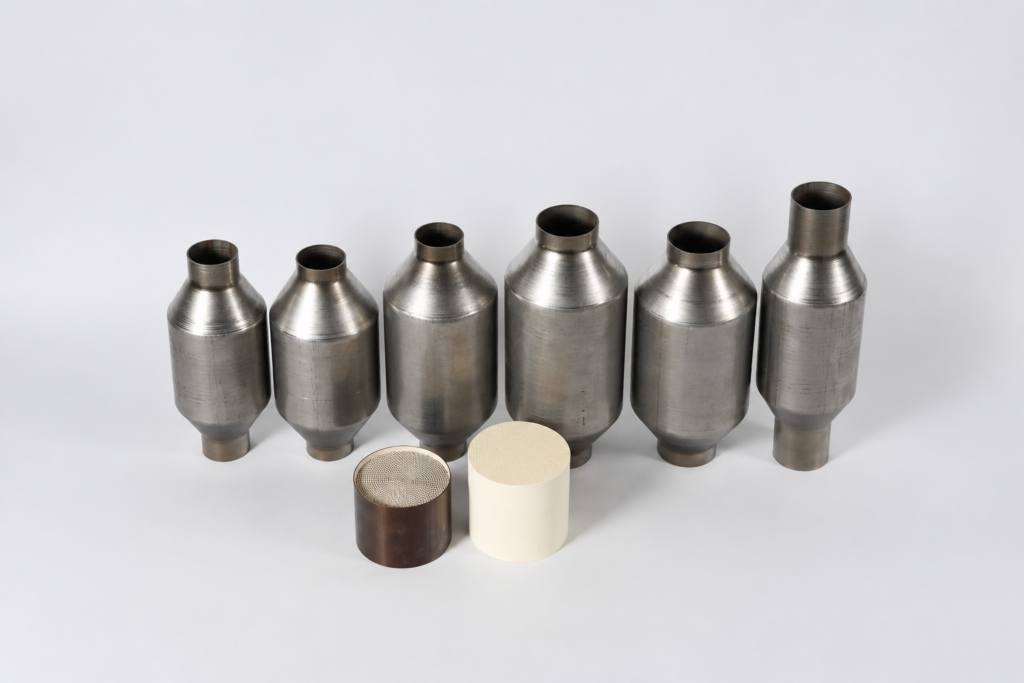
Ceramic Substrate
Cordierite honeycomb carriers for projects prioritizing low thermal expansion, established validation and non-round shapes.
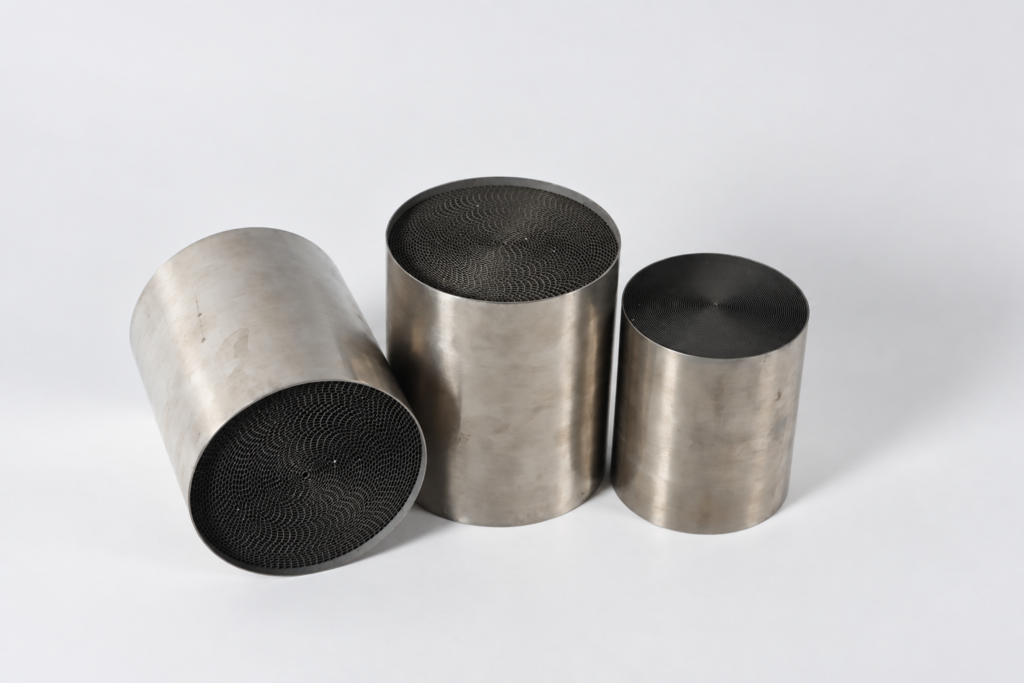
Catalyst Coating Service
Washcoat and active-material support for suitable TWC, DOC and SCR catalyst projects.
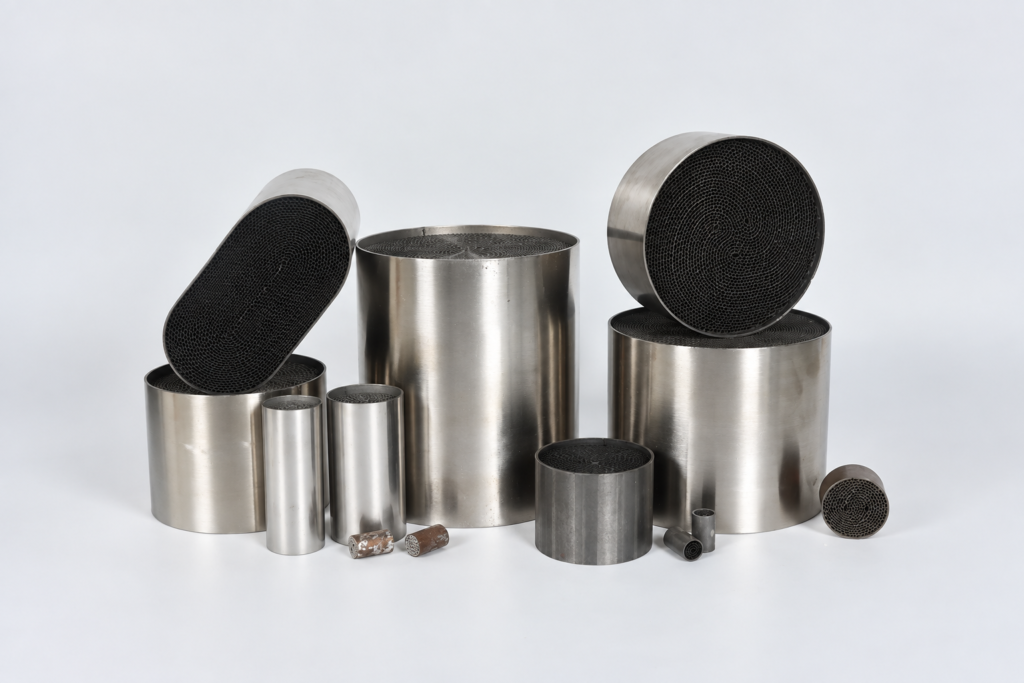
Custom Converter Assembly
Complete development when the substrate, coating, housing and mounting structure must work as one system.
Frequently Asked Questions
Questions Buyers Ask Before Sampling
How should I choose the right CPSI?
CPSI should be selected together with substrate diameter, length, target conversion, exhaust flow and acceptable pressure drop. A higher CPSI is not automatically better, so operating data and drawings should be reviewed together.
Can you supply only the uncoated metal core?
Yes. The project can be quoted as a bare metallic substrate, a coated substrate or a complete converter assembly, depending on your validation plan and purchasing scope.
Can you manufacture oval or runway-shaped metal substrates?
Round wound cores are the standard format. Non-round designs require a separate review of dimensions, forming method, tooling and expected order volume before feasibility can be confirmed.
What information is required for a quotation?
Please provide diameter, length, CPSI, core count, coating requirement, catalyst application, operating temperature, trial quantity, forecast volume and any available drawing or existing sample information.
What is the maximum operating temperature?
Temperature capability should not be treated as one universal number. Suitability and service life depend on the exact FeCrAl grade, foil thickness, coating system, thermal cycling, exhaust chemistry and mounting position.
Can the metal substrate be coated with TWC, DOC or SCR formulations?
These catalyst project types can be supported when the substrate design, surface preparation, coating formulation and operating conditions are compatible. Final feasibility is confirmed during technical review.
Request a Quotation
Send Your Drawing and Operating Requirements
Tell us the dimensions, CPSI, core configuration, application, coating scope and expected quantity. Our team will review the structure before preparing the quotation.