Catalyst Coating Service
Custom Catalyst Washcoating From Trial Formula to Production Batch
We apply catalytic washcoats to ceramic, Fe-Cr-Al metal and DPF substrates for TWC, DOC, SCR and catalyzed filter projects. Bring us a defined formula, an existing benchmark or only the application target—we will identify the right development route.
Customer or factory-supplied substrates
TWC · DOC · SCR · DPF
Trial coating and production scale-up
15,000 m² Facility
Manufacturing and project scale-up support
Multiple Substrates
Cordierite, Fe-Cr-Al metal and SiC DPF
Integrated Supply
Substrate, coating and converter assembly options
ISO 9001:2015
Documented process and quality management
Project Entry Routes
Start With the Information You Already Have
The service route depends on whether your coating specification is complete, needs adaptation or must be developed around a new application.
01
Coat to Your Specification
You already have a defined washcoat composition, target loading and substrate specification.
- Formula and substrate compatibility review
- Small-batch trial coating
- Controlled repeat-batch production
02
Adapt an Existing Formula
You have a current coating, benchmark sample or previous specification that must be adjusted.
- Review the current formula and target changes
- Adjust slurry, loading or process conditions
- Validate through sample evaluation
03
Co-Develop a New Coating
You have an engine, equipment or emission-control target but no finalized coating specification.
- Define operating conditions and test criteria
- Develop and screen trial formulations
- Release the approved production specification
Coating Support for Major Emission-Control Functions
The active phase, washcoat structure and loading strategy are selected around the actual application rather than a single universal formula.
Three-Way Catalyst
For stoichiometric gasoline applications requiring simultaneous control of CO, hydrocarbons and NOx.
Typical active metals: Pt, Pd and Rh according to the project target.
Diesel Oxidation Catalyst
For oxidation of CO, hydrocarbons and soluble organic components in diesel exhaust systems.
Can be developed as a standalone DOC or as part of a diesel aftertreatment package.
Selective Catalytic Reduction
For NOx reduction using application-appropriate vanadium-based or zeolite-based catalyst routes.
Key inputs include exhaust temperature, urea dosing strategy and target NOx conversion.
Catalyzed DPF
For cordierite or SiC wall-flow filters where coating distribution and channel condition require careful control.
Filter structure, regeneration duty and pressure-drop limits are reviewed before coating.
More Than Applying Slurry to a Honeycomb
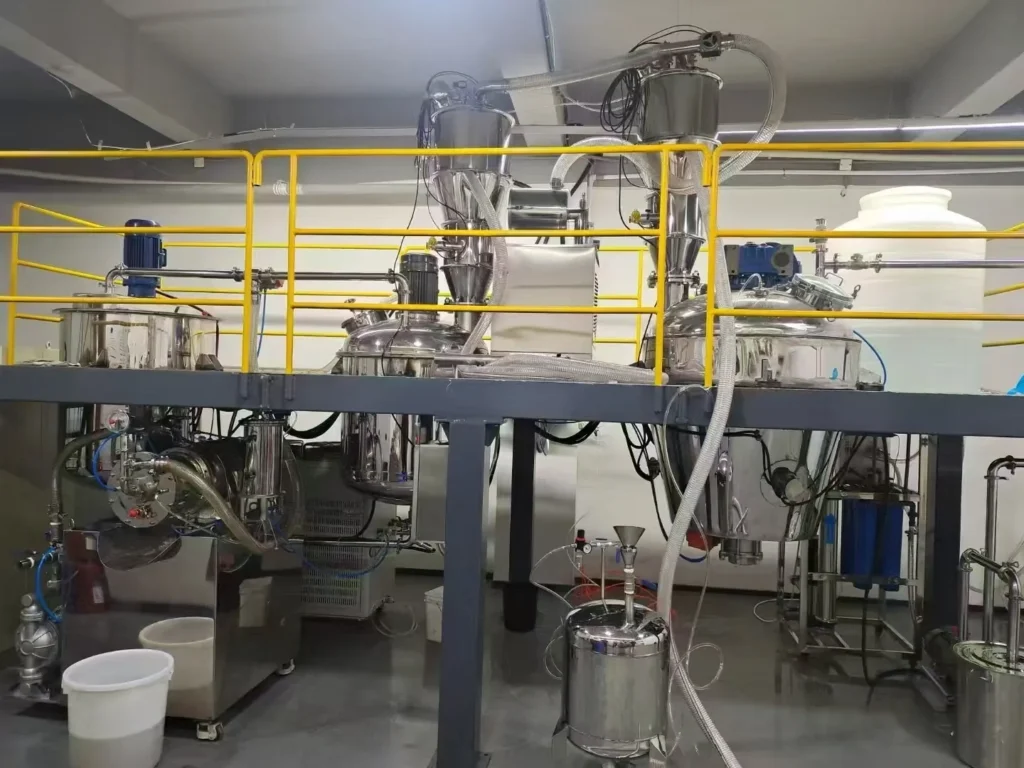
A stable coating project requires the formula, substrate and process conditions to work together. We review all three before moving from a sample to a production batch.
Formula and Slurry Preparation
Washcoat composition, solids content, viscosity, pH and precious-metal loading are controlled against the agreed specification.
Substrate Compatibility
Material, dimensions, cell structure, surface condition and expected operating environment are reviewed before trial coating.
Application and Thermal Processing
Coating uptake, distribution, drying and calcination conditions are adjusted to achieve a stable process window.
From Technical Inputs to Repeat Production
Each stage has a clear output, so the project does not move into production before the coating route is technically agreed.
Requirement Review
Application, target standard, substrate, operating conditions and evaluation method.
Technical Proposal
Recommended coating route, loading target, trial scope and project milestones.
Trial Coating
Small-batch coating to review loading, adhesion, distribution and channel condition.
Sample Evaluation
Testing against agreed criteria, followed by adjustment when required.
Production Release
Approved specification moves into documented repeat-batch production.
Control the Process Before Inspecting the Result
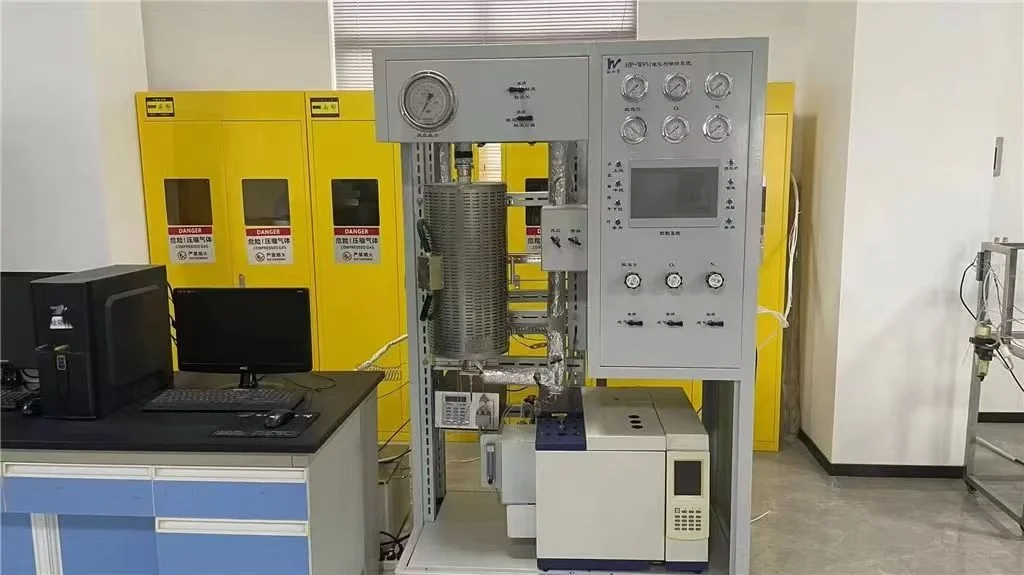
Final appearance alone cannot prove a stable coating. Critical material and process parameters are checked throughout the batch.
Slurry Condition
Formula, solids, viscosity and pH checks before coating.
Coating Loading
Target uptake and weight gain monitored by batch.
Thermal Profile
Drying and calcination conditions recorded against the process window.
Final Inspection
Uniformity, bare areas, pooling and channel blockage reviewed before release.
Substrate Compatibility
Use Your Own Substrate or Source It With the Coating
Compatibility is confirmed from drawings and trial samples. The following are the main substrate families supported by the service.
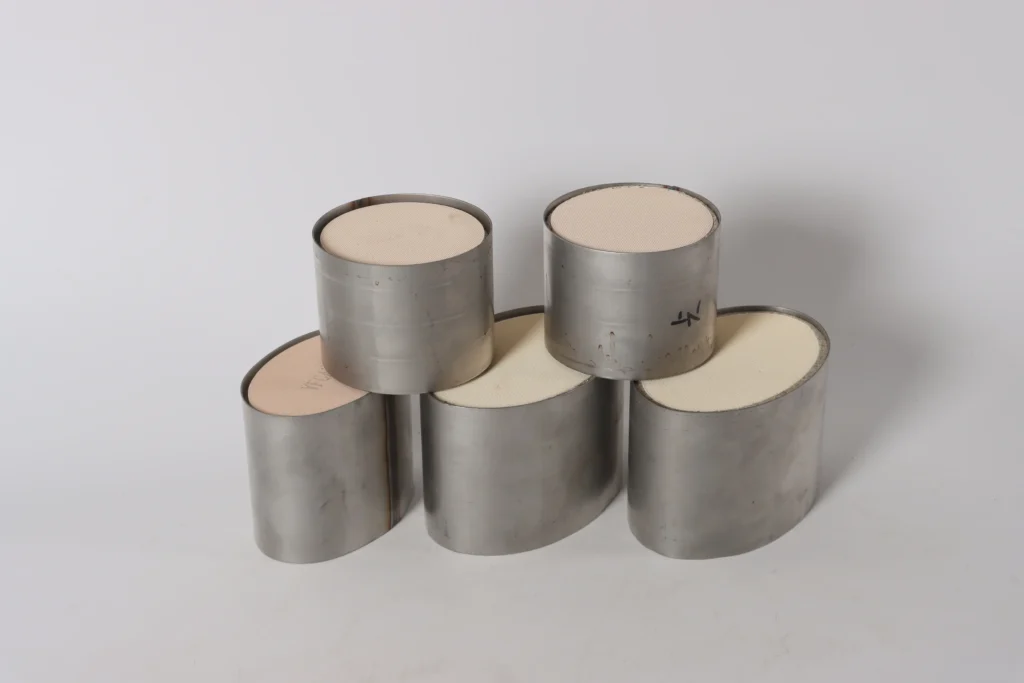
Cordierite Ceramic Substrate
Commonly used for gasoline, diesel and industrial oxidation catalyst applications.
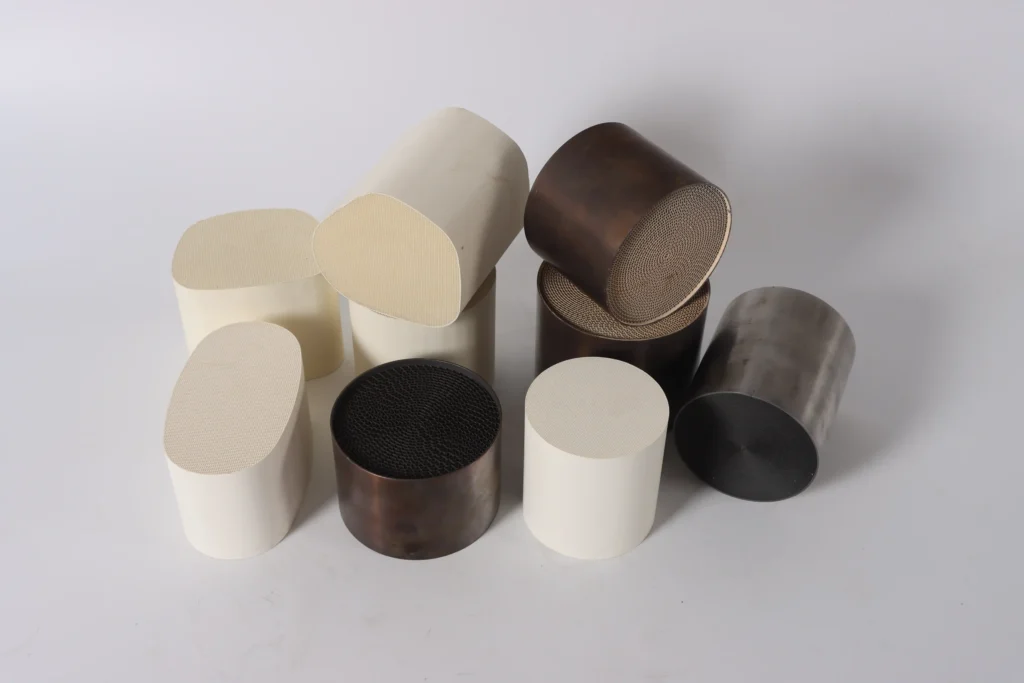
Fe-Cr-Al Metal Substrate
Suitable for applications prioritizing thin walls, compact packaging and rapid thermal response.
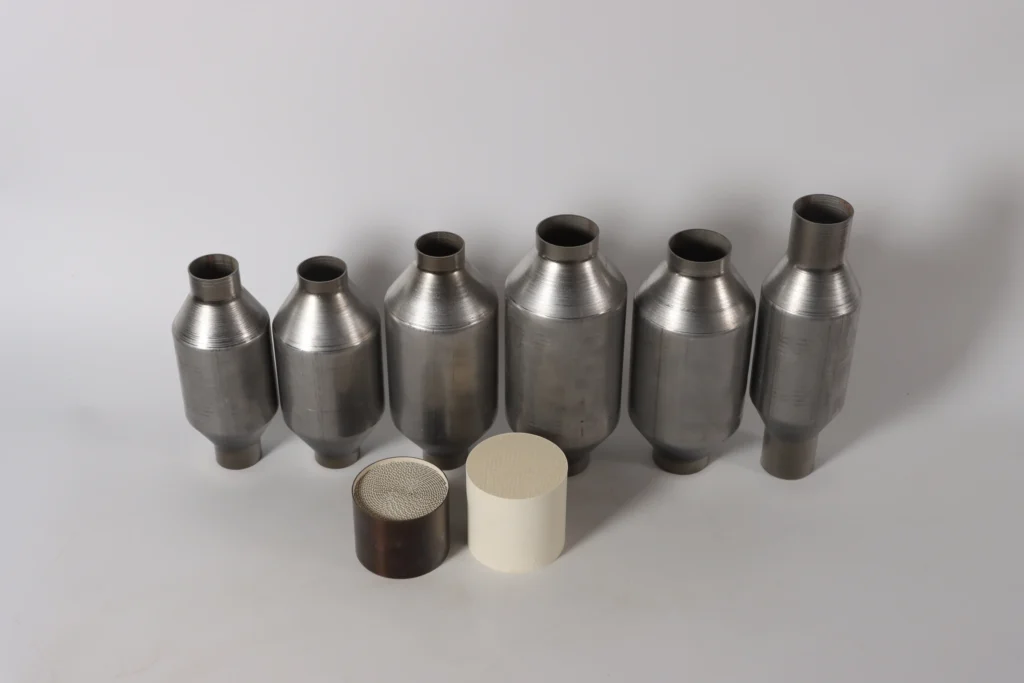
Cordierite Ceramic Substrate
Commonly used for gasoline, diesel and industrial oxidation catalyst applications.
Prepare Your Inquiry
Send the Inputs That Directly Affect the Coating Route
Complete technical information helps us assess feasibility faster and avoids a generic quotation that later changes.
01. Catalyst Function
TWC, DOC, SCR, cDPF or other
02. Application
Engine, fuel, vehicle or equipment
03. Target Standard
Emission stage and test requirement
04. Exhaust Conditions
Temperature, flow and operating profile
05. Substrate Details
Material, size, cell structure and quantity
06. Formula Status
Defined, benchmarked or needs development
07. Evaluation Method
Test plan and acceptance criteria
08. Volume Plan
Trial quantity and repeat demand
Integrated Supply
Extend the Project Beyond Coating
Source the substrate, coating and converter assembly through one project team when the complete unit is required.
Frequently Asked Questions
Questions Buyers Ask Before Starting a Coating Project
Can you coat substrates supplied by the customer?
Yes. Material, dimensions, cell structure and surface condition are reviewed first. A small trial batch may be required before production quantities are accepted.
Can you work with our existing coating formula?
Yes. We can review a defined formula, target coating weight and process requirements. Final feasibility depends on raw-material availability, substrate compatibility and the required production process.
Can you develop the formula when we only have a performance target?
Yes. The project begins with the application, operating conditions, target standard and evaluation method. Trial formulas are then developed and screened against the agreed criteria.
Do you support coating on SiC DPF substrates?
Yes. SiC DPF coating projects are reviewed according to filter structure, material properties, regeneration duty, pressure-drop limits and the required catalyst function.
What information is required for a quotation?
Please provide the catalyst function, application, target standard, exhaust conditions, substrate drawing or specification, formula status, evaluation method and expected quantity.
Does a coating quotation guarantee compliance with an emission standard?
No coating alone can guarantee complete vehicle or system compliance. Final results also depend on engine calibration, catalyst volume, exhaust temperature, packaging, aging condition and the applicable test cycle.
Start With Your Application, Substrate and Target
Our technical team will review the project route before recommending a coating specification or trial plan.